Français
 Español
 Italiano
 Deutsch
Shopping Cart


Masonic regalia occupy a central place in the life of lodges. Far more than simple accessories, they accompany the Freemason's initiatory journey and help identify his degree, rite and sometimes his office.
Masonic apron, collar, sash, jewel, gloves or headwear: each item has its own history and its own particular symbolism. Shapes, colours and embroidery can vary according to the traditions and rites practised.
But how do you choose Masonic regalia? What is the origin of the apron? What do the main symbols represent? What are the differences between the regalia of the Ancient and Accepted Scottish Rite (AASR), the French Rite, the Rectified Scottish Rite and the Emulation Rite?
This guide presents the essentials you need to know about the history, symbolism and different types of Masonic regalia, to help you better understand their meaning and choose a model suited to your rite and your degree.
Masonic regalia: a brief definition
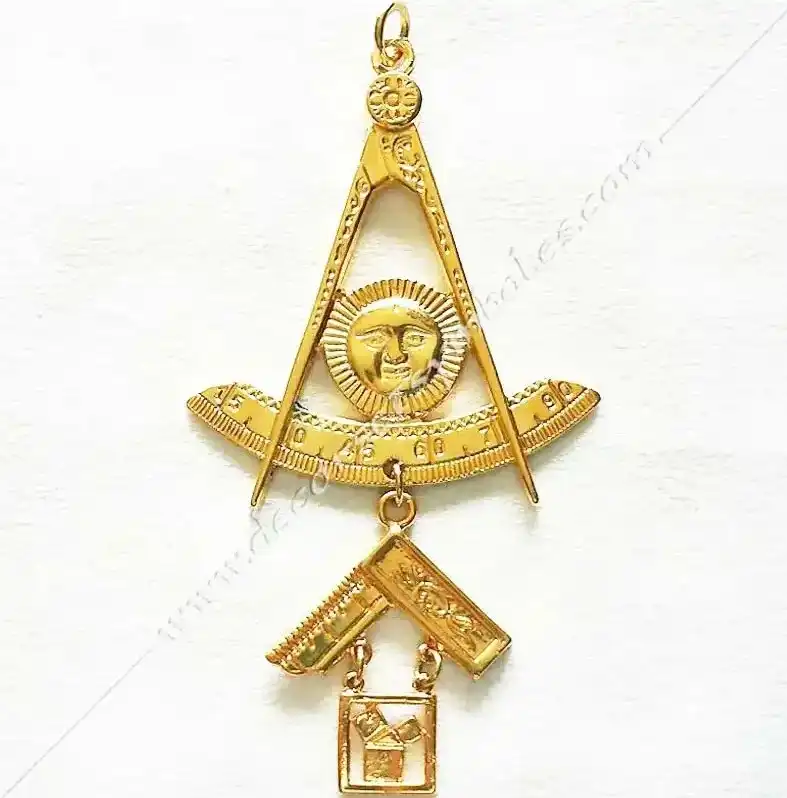
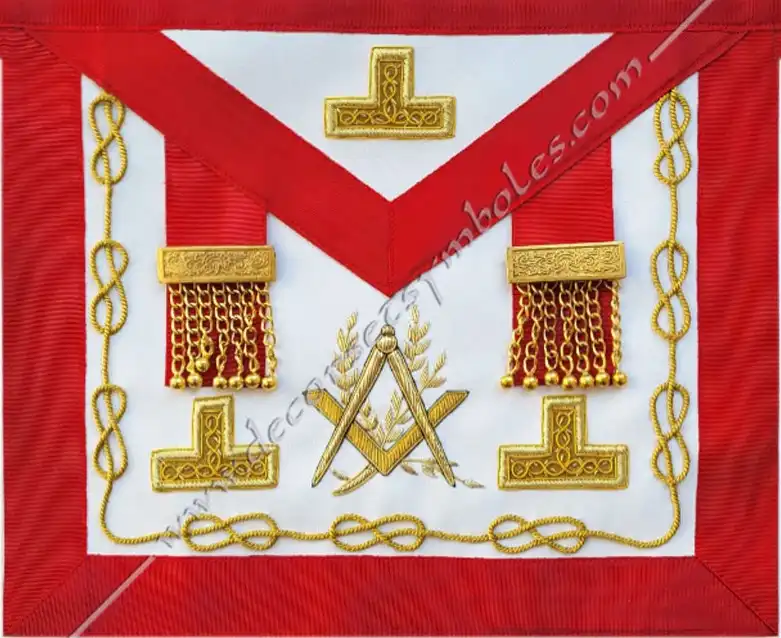
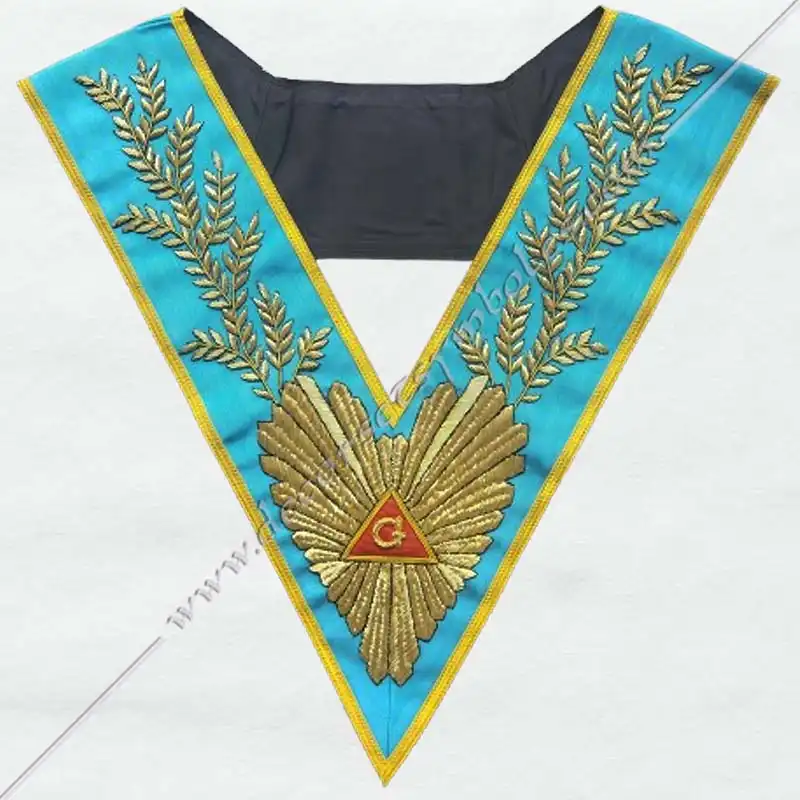
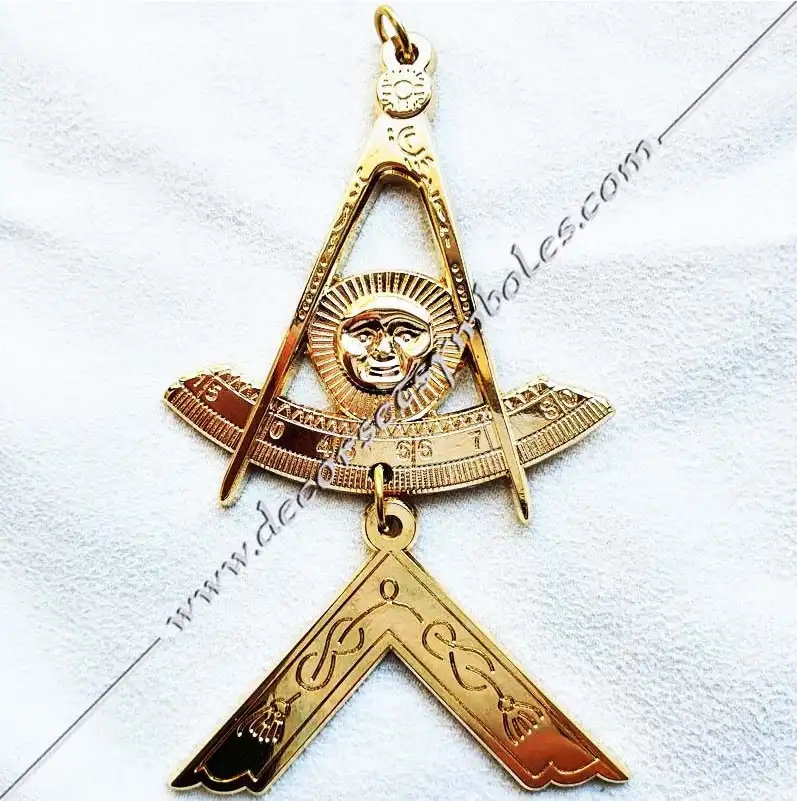
Masonic regalia refers to all the garments, insignia, jewels and accessories worn by a Freemason during lodge work or ceremonies. It can include an apron, a collar, a sash, a jewel of degree or office, gloves or headwear. Its composition mainly depends on the Freemason's rite, degree and office.
What is Masonic regalia?
Masonic regalia brings together the various garments, insignia, jewels and accessories used by a Freemason during his lodge's work and ceremonies.
Depending on the rite and degree, it may include a Masonic apron, a collar or sash, a jewel of degree or office, gloves or headwear.
Some officers may also wear specific attributes, such as a sword, depending on the customs of their rite and lodge.
Key takeaway
The colours, embroidery and symbols found on Masonic regalia are generally not chosen at random. They can refer to a particular rite, degree or office.
The history of Masonic regalia
The history of Masonic regalia is closely linked to that of Freemasonry and the evolution of its various rites.
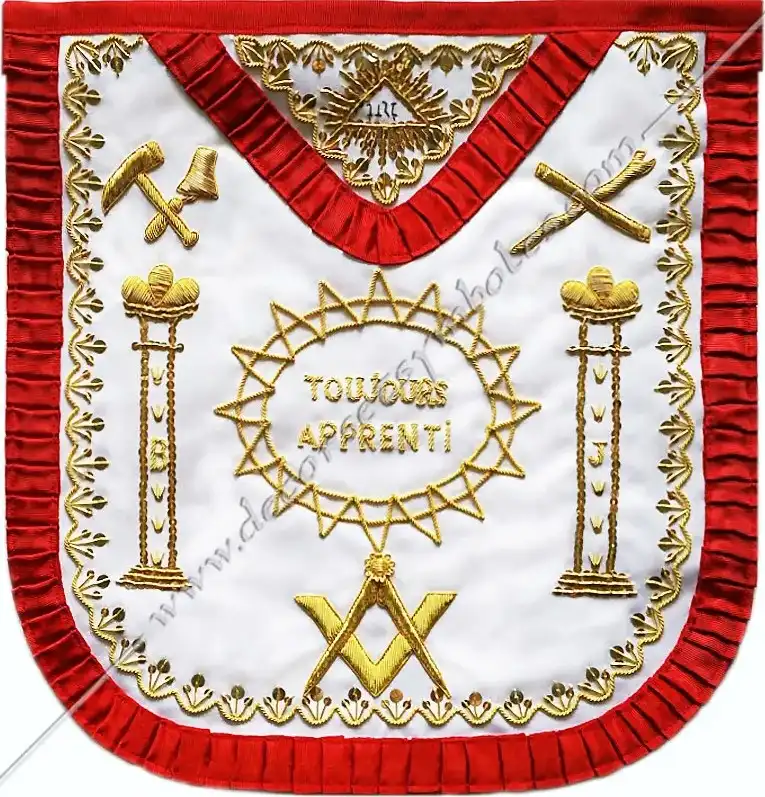
The Masonic apron is probably the most iconic piece of regalia. It symbolically recalls the aprons associated with the work of operative masons and evokes labour, construction and commitment.
As speculative Freemasonry developed and its various rites became structured, regalia gradually diversified. Shapes, colours and symbols evolved to correspond to the different degrees and offices.
This evolution explains the wide variety of Masonic aprons, collars, jewels and accessories available today.
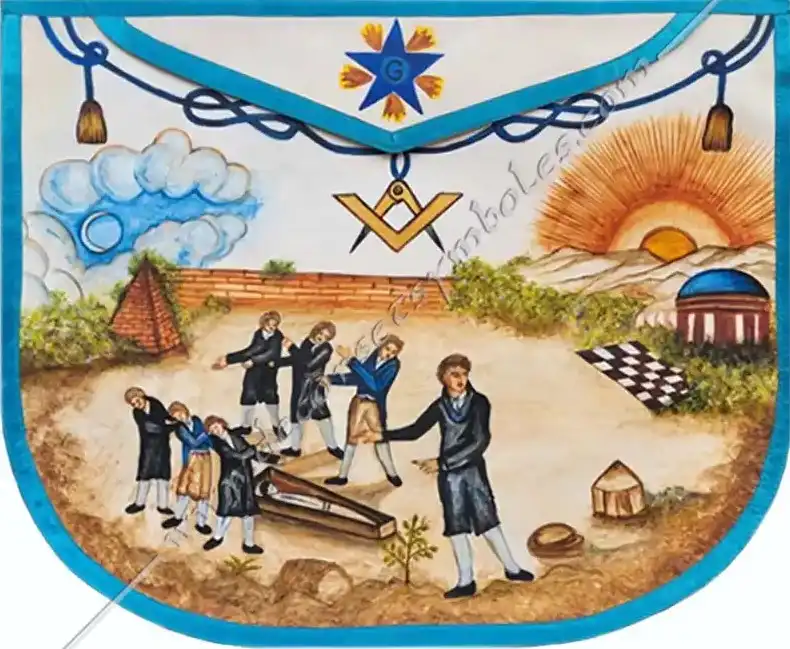
Masonic regalia has evolved over the course of the rites and traditions.
The symbolism of Masonic regalia
Masonic regalia forms a genuine symbolic language. The elements depicted on an apron, jewel or collar can evoke a value, a teaching or a stage of the initiatory journey.
The square and compasses
Present on many pieces of Masonic regalia, they are notably associated with rectitude, measure and self-mastery.
The blazing star
It is notably associated with light, knowledge and the search for truth.
Colours
Blue, red, black or white can take on different meanings depending on the rite and degree.
Blue is traditionally associated with the first three degrees in many Masonic traditions. Other colours then appear according to the rites, degrees and customs of the lodges.
A symbolism that depends on the rite
Since the meaning of a symbol or colour can vary between traditions, it is always best to refer to the customs specific to your rite, degree and lodge.
The different types of Masonic regalia
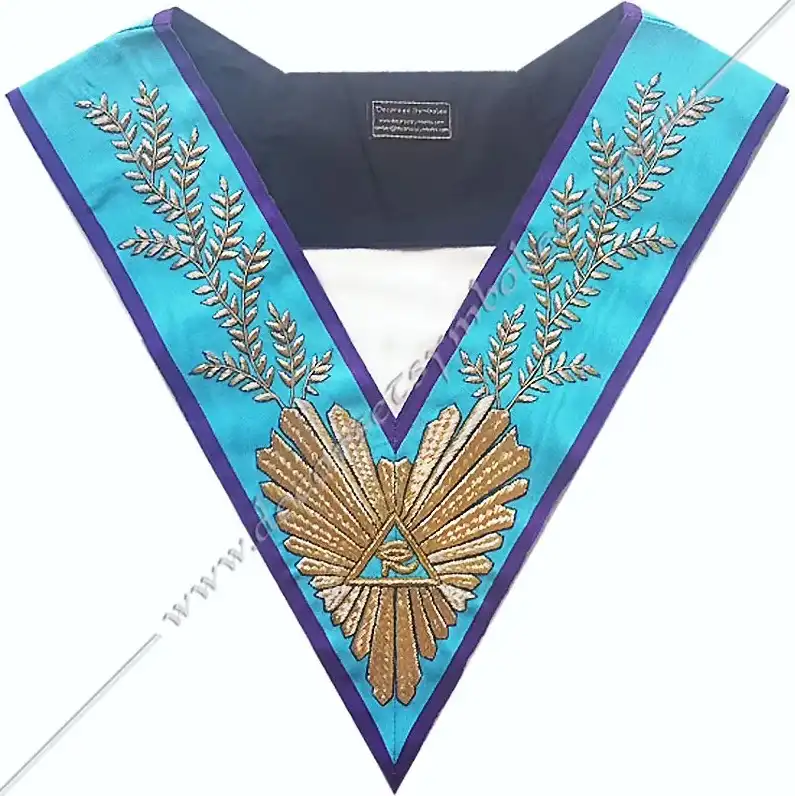
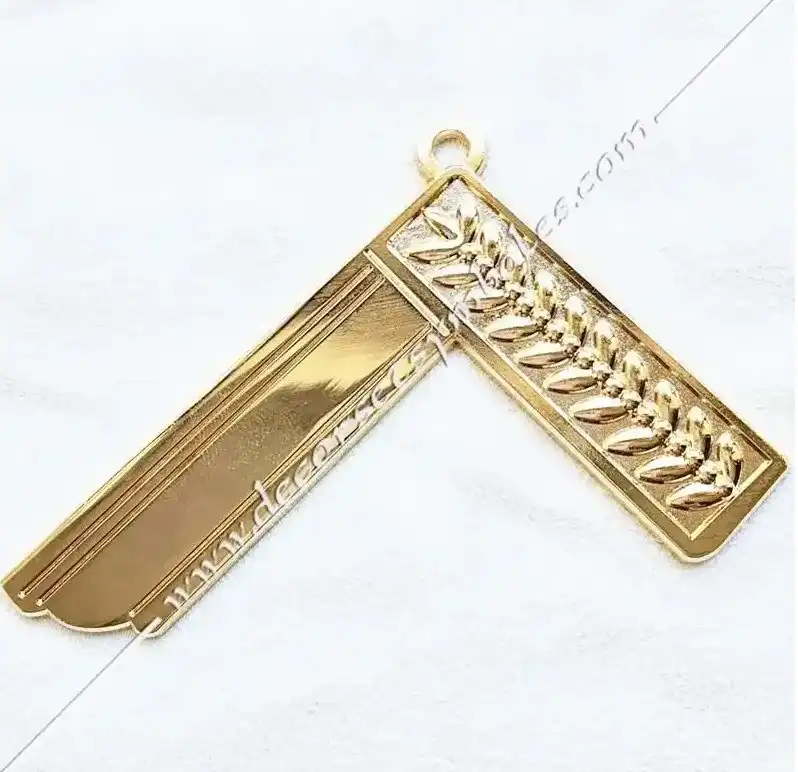
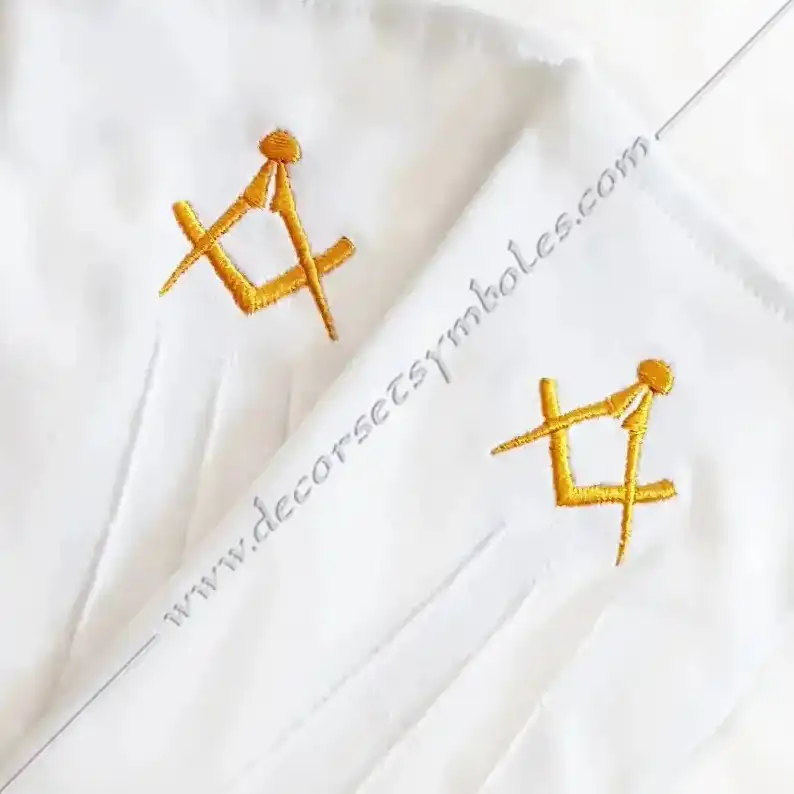
Masonic regalia can be made up of several elements. Each has its own function and symbolism, which can vary according to the rite, degree and office held in the lodge.
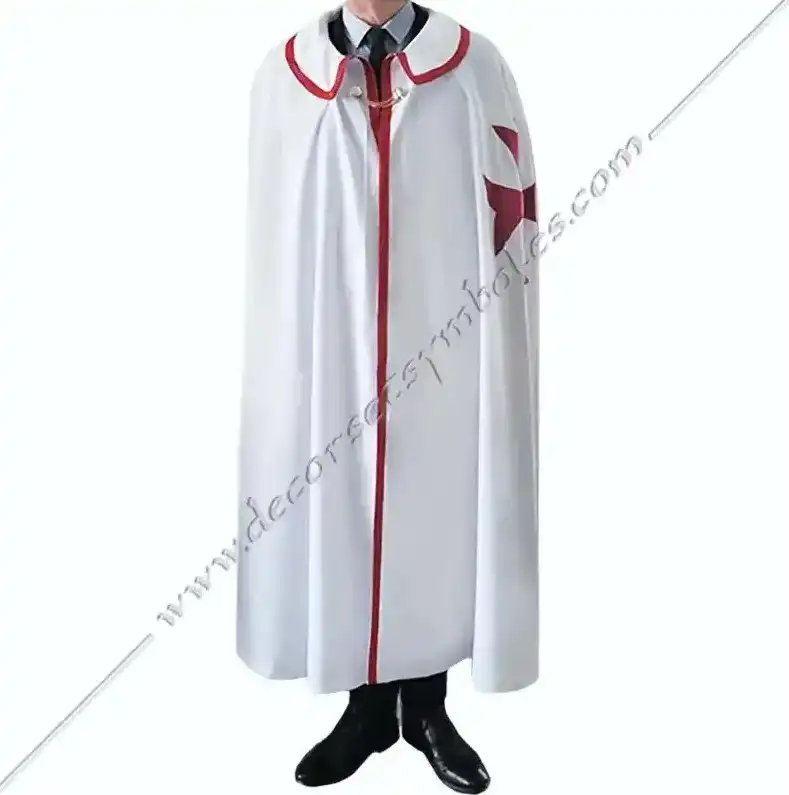
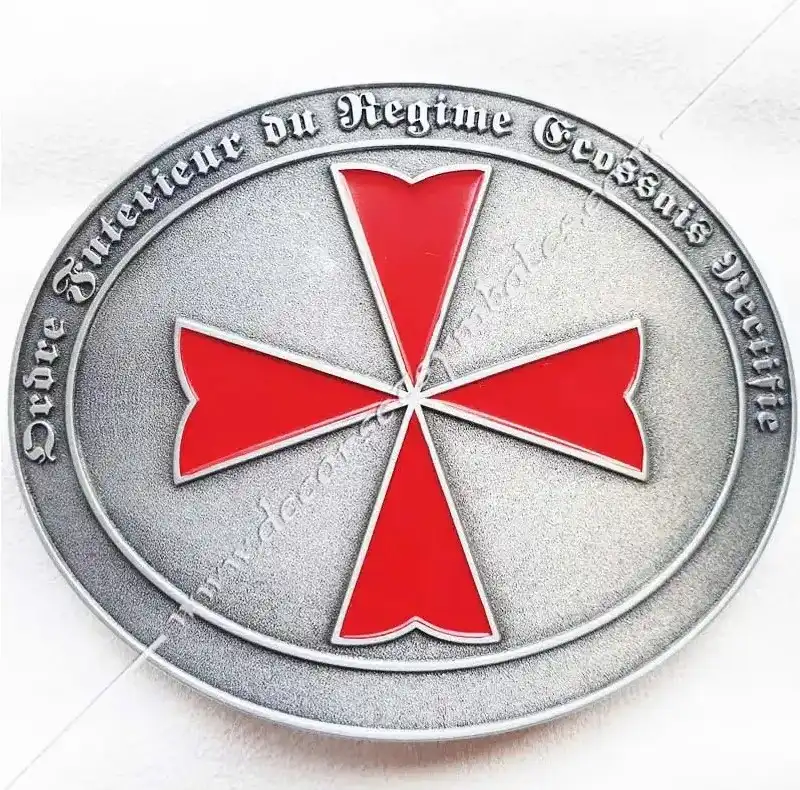
Masonic regalia according to the rite
Masonic regalia is not identical from one rite to another. The colour of the apron, the embroidery, the jewels and the attributes can vary depending on the tradition practised.
Ancient and Accepted Scottish Rite (AASR)
The AASR is one of the most widespread Masonic rites. Its regalia evolves according to the degree concerned and can feature specific colours and symbols.
French Rite
The regalia of the French Rite follows customs and traditions specific to this ritual family. The exact model may depend on the version of the rite and the customs of the obedience.
Rectified Scottish Rite
The Rectified Scottish Rite also has its own dress and symbolic traditions. The choice of regalia must therefore be made according to the degree and the customs of the lodge.
Emulation Rite
The Emulation Rite is also distinguished by specific customs regarding dress and Masonic regalia.
Practical tip
Before ordering an apron or other item of regalia, always check the rite, degree and customs of your obedience or lodge. If in doubt, it is best to ask your lodge for confirmation.
How to choose your Masonic regalia?
Choosing Masonic regalia begins with three essential elements: the rite practised, the degree and, where relevant, the office held in the lodge.
01
Your rite
AASR, French Rite, Rectified Scottish Rite, Emulation or another tradition.
02
Your degree
The regalia must match the degree concerned.
03
Your office
Certain offices carry their own specific attributes.
04
Quality
Favour durable materials and careful finishing.
The quality of manufacture is also important. An apron or collar is often intended to be worn for many years. The quality of the fabric, the precision of the embroidery and the care taken over the finishing all contribute to the durability of the regalia.
Depending on the model, customisation may also be considered to create a unique piece, while still respecting the codes and traditions of the rite concerned.
Masonic regalia to accompany your journey
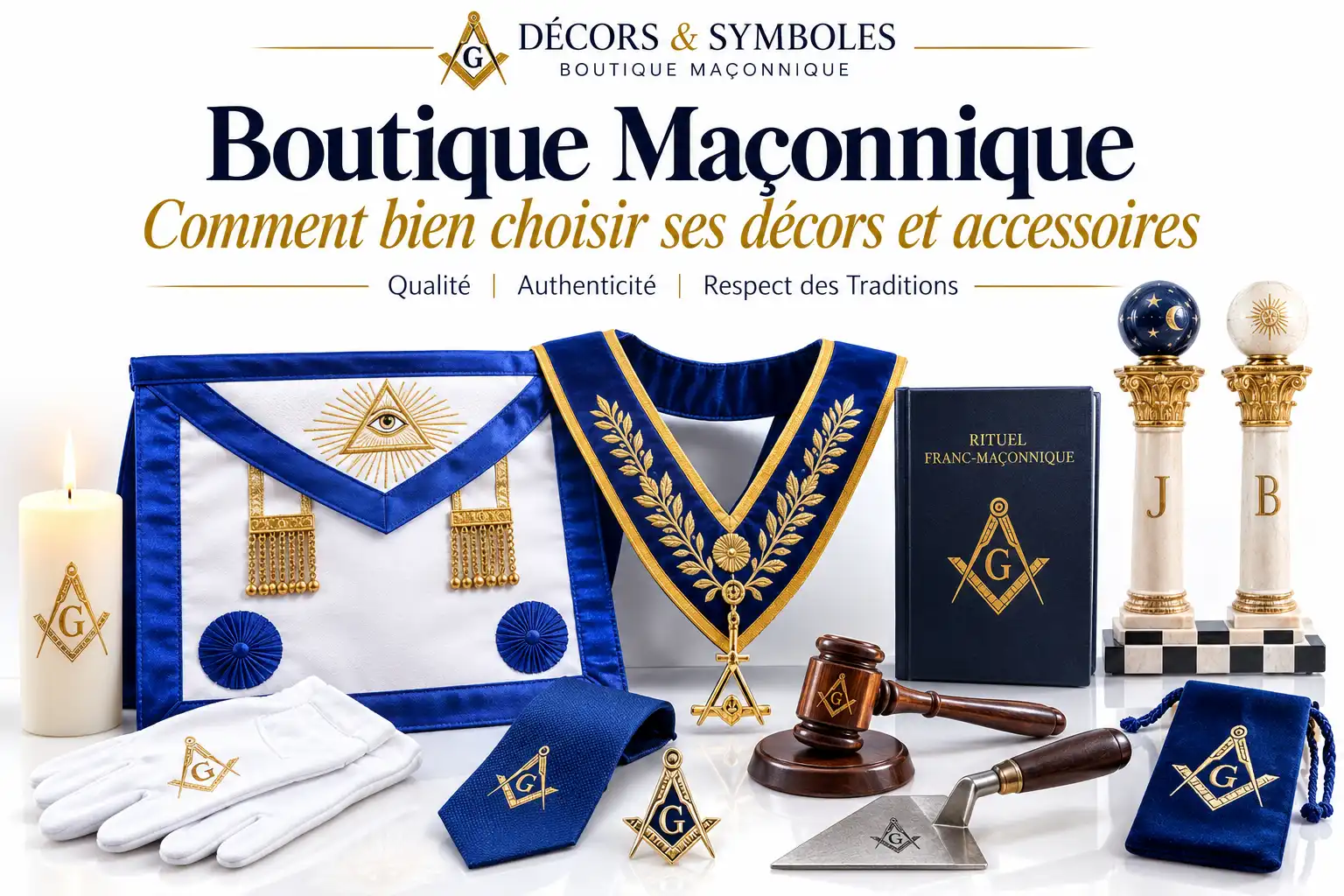
At Décors et Symboles, we offer a selection of Masonic regalia designed to accompany the various stages of the Masonic journey: aprons, collars, jewels, gloves, headwear and accessories.
Particular attention is paid to the quality of finishing and to sourcing models suited to the traditions of the various rites and degrees.
Our shop also offers Masonic books to deepen your understanding of the history and symbolism of Freemasonry, as well as Masonic gift ideas to mark an initiation, a promotion in degree or a special occasion.
Frequently asked questions about Masonic regalia
What is the most important piece of Masonic regalia?
The Masonic apron is generally considered one of the most iconic pieces of regalia. Its design mainly depends on the Freemason's rite and degree.
How do I choose a Masonic apron?
To choose a Masonic apron, you mainly need to check the rite practised, the degree concerned and the customs of the lodge. These elements determine the appropriate model and symbols.
Is Masonic regalia the same for all rites?
No. Regalia can vary according to the rite. Colours, embroidery, jewels and attributes can differ between the AASR, the French Rite, the Rectified Scottish Rite and the Emulation Rite.
Can Masonic regalia be customised?
Depending on the model and the customs concerned, some regalia can be customised. However, it is recommended to respect the codes and traditions specific to the rite and degree.
Where can I buy Masonic regalia?
Masonic regalia can be found at specialist shops. To choose a suitable model, it is advisable to check precisely the rite, degree and characteristics of the regalia sought.